
Knowing how often to water plants is one of the most common—and most important—questions for gardeners. The short answer is: it depends on the plant, its environment, and how it’s growing. Water too little, and plants wilt and weaken; water too much, and roots suffocate and rot. This guide breaks down exactly how to water plants correctly, indoors and outdoors, using practical, beginner-friendly advice backed by horticultural best practices.
- Why Proper Watering Matters for Plant Health
- How Often Should You Water Plants? (Quick Answer)
- What Factors Affect How Often to Water Plants?
- How to Tell When a Plant Needs Water (Featured Snippet Section)
- How Often to Water Indoor Plants
- How Often to Water Outdoor Plants
- Common Watering Mistakes Beginners Make
- Expert Tips for Watering Plants Correctly
- How Pruning Affects Watering Needs
- Conclusion: How Often to Water Plants the Right Way
- Frequently Asked Questions (FAQ)
Why Proper Watering Matters for Plant Health
Water is essential for photosynthesis, nutrient transport, and temperature regulation. But watering isn’t just about frequency—it’s about timing, depth, and consistency.
When watering habits don’t match a plant’s needs, you may see:
- Yellowing leaves
- Wilting despite moist soil
- Stunted growth
- Root rot or fungal issues
Understanding how often to water plants is a foundational skill covered in Plant Care 101: The Complete Guide to Keeping Plants Healthy Indoors and Outdoors, and it connects directly with soil quality, light exposure, fertilization, and pruning.
How Often Should You Water Plants? (Quick Answer)
Most plants should be watered when the top 1–2 inches of soil feels dry, rather than on a fixed schedule. Some plants prefer consistently moist soil, while others need the soil to dry out between watering.
Key rule: Always check the soil first—never rely on the calendar alone.
What Factors Affect How Often to Water Plants?
1. Plant Type and Species
Different plants have different water needs:
- Succulents & cacti: Every 2–4 weeks
- Tropical houseplants: Every 7–10 days
- Flowering plants: 2–3 times per week during active growth
- Vegetables: Often daily in hot weather
Always research individual species, especially for indoor plants.
2. Indoor vs Outdoor Growing Conditions
Indoor plants usually need less frequent watering because:
- No direct rain
- Less airflow
- Stable temperatures
Outdoor plants may need more frequent watering due to:
- Sun exposure
- Wind
- Heat evaporation
For more context, see Sunlight vs Shade: What Plants Really Need.
3. Soil Type and Drainage
Soil directly controls water retention:
- Sandy soil: Dries quickly, needs more frequent watering
- Loamy soil: Ideal balance of drainage and moisture
- Clay soil: Holds water longer, risk of overwatering
Choosing the right soil is critical—refer to Best Soil Types for Healthy Plants for detailed guidance.
4. Season and Climate
Plants drink more water during:
- Spring and summer (active growth)
- Hot, dry, or windy conditions
Reduce watering during:
- Fall and winter
- Dormant growth periods
Even indoor plants often need less water in winter due to lower light levels.
How to Tell When a Plant Needs Water (Featured Snippet Section)
Signs Your Plant Needs Water
- Topsoil is dry to the touch
- Leaves appear droopy or soft
- Soil pulls away from the pot edges
- Growth slows unexpectedly
Signs You’re Watering Too Much
- Yellowing lower leaves
- Mushy stems or roots
- Mold or fungus on soil surface
- Constantly wet soil
For a deeper dive, see Signs of Overwatering and Underwatering.
How Often to Water Indoor Plants
Most indoor plants thrive when watered every 7–14 days, but this varies widely.
General Indoor Watering Tips
- Check soil moisture weekly
- Water thoroughly until excess drains out
- Empty saucers to prevent root rot
- Use pots with drainage holes
Avoid mistaking humidity needs for watering needs—many tropical plants prefer humidity without soggy soil.
How Often to Water Outdoor Plants
Outdoor watering depends heavily on weather and plant maturity.
General Guidelines
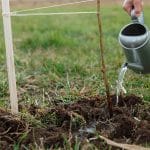
- Newly planted: Water daily for the first 1–2 weeks
- Established plants: 1–3 times per week
- Lawns: 1–1.5 inches of water weekly
Water early in the morning to reduce evaporation and disease risk.
Common Watering Mistakes Beginners Make
Many issues blamed on “bad plants” are actually watering errors.
Avoid These Mistakes
- Watering on a strict schedule
- Using shallow watering instead of deep soaking
- Ignoring seasonal changes
- Overwatering plants in low light
- Assuming wilting always means dry soil
You’ll find more beginner pitfalls in Beginner Plant Care Mistakes to Avoid.
Expert Tips for Watering Plants Correctly
- Use the finger test: Insert your finger 1–2 inches into soil
- Lift the pot: Lightweight pots usually need water
- Water deeply, not frequently: Encourage strong root growth
- Match watering to light: Brighter light = higher water use
- Adjust after fertilizing: Fertilized plants often use more water
If you’re feeding plants regularly, align your watering routine with How to Fertilize Plants Correctly.
How Pruning Affects Watering Needs
Pruned plants often need less water temporarily because there’s less foliage losing moisture. After major pruning sessions, such as those outlined in Pruning Plants: When and How, allow soil to dry slightly more than usual.
Conclusion: How Often to Water Plants the Right Way
Understanding how often to water plants comes down to observation, not rigid rules. By paying attention to soil moisture, plant type, light, and season, you’ll avoid the most common watering mistakes and grow healthier, more resilient plants. Consistent, mindful watering—paired with proper soil, sunlight, fertilization, and pruning—is the foundation of successful plant care.
Frequently Asked Questions (FAQ)
How often should I water plants in pots?
Most potted plants need watering when the top 1–2 inches of soil are dry, typically every 7–10 days indoors and more frequently outdoors.
Is it better to water plants in the morning or evening?
Morning is best, especially for outdoor plants, as it reduces evaporation and fungal disease risk.
Can I water plants every day?
Only certain plants, such as vegetables in hot weather or newly planted seedlings, may need daily watering. Most plants do not.
How do I know if I’m overwatering?
Persistent wet soil, yellow leaves, mold, and root rot are common signs of overwatering.
Do all plants need the same watering schedule?
No. Watering frequency varies by species, soil type, light exposure, and climate. Always adjust to the plant’s needs.